

Engineered Sleep: High-Performance Mattresses for Recovery
Sleep is the most powerful recovery tool we possess, yet the surface we sleep on rarely gets the same analytical attention as our training plans or nutrition protocols. Engineered sleep represents a deliberate shift away from that oversight. It is the intersection of material science, biomechanics, and sleep hygiene, a design philosophy that treats the mattress not as a soft rectangle to collapse onto, but as a precision instrument for nightly restoration. When a mattress is truly engineered, every layer, every zone of firmness, and every stitch of the cover serves a specific physiological purpose. By the end of this article, you will understand what separates a genuinely engineered mattress from a generic one, and how to select a system that aligns with your recovery and performance goals.
Table of Contents
- What Does "Engineered Sleep" Actually Mean?
- Why "Engineered Sleep" Matters for Performance and Recovery
- Key Engineering Features in a High-Performance Mattress
- How to Choose the Right Engineered Sleep System for You
- Frequently Asked Questions About Engineered Sleep Mattresses
- Conclusion: Invest in the Science of Better Sleep
What Does "Engineered Sleep" Actually Mean?
Engineered sleep is a design philosophy, not a marketing label. It describes a mattress built through intentional material selection, zoned support structures, and construction methods that solve specific sleep problems. Those problems include pressure point pain, spinal misalignment, heat buildup, and motion transfer. A mattress that delivers engineered sleep does not simply combine a layer of foam with a layer of coils and call it a day. It uses the precise density, firmness, and placement of each component to produce a predictable, measurable outcome for the sleeper.
Traditional mattress construction often relies on a simple formula: a coil unit topped with one or two layers of polyurethane foam. Many bed-in-a-box brands follow a similar pattern, compressing cost-effective materials into a shippable package and prioritizing convenience over long-term performance. These mattresses are assembled from off-the-shelf components that were never designed to interact with one another in a specific way. The result is a product that feels adequate for a few months but degrades quickly, losing support and comfort as the materials break down.

An engineered sleep system operates on four core pillars. The first is structural support, which maintains the spine in a neutral position regardless of sleep posture. The second is pressure point management, which prevents the buildup of force on hips, shoulders, and other bony prominences that can trigger tossing and turning. The third is thermal regulation, which wicks heat away from the body and promotes airflow through the mattress core. The fourth is motion isolation, which prevents a partner's movements from rippling across the surface and fragmenting sleep. In a properly engineered mattress, the base, comfort layer, and cover work in concert, each contributing to these four outcomes without undermining the others.
The Difference Between "Engineered" and "Assembled"
Many mattresses on the market are assembled, not engineered. They pull standard foam slabs and coil units from a catalog and stack them in a cover. An engineered mattress uses proprietary or carefully selected materials designed to interact. The patent-pending two-piece Duo design exemplifies this distinction. Instead of a single monolithic block, the mattress separates into a durable support core and a replaceable comfort layer. This engineering choice solves real-world problems: easier setup in tight stairwells, the ability to swap comfort layers as preferences change, and extended mattress lifespan since the top layer can be replaced independently.
Firmness zoning and flippable designs further separate engineered from assembled. A zoned mattress places firmer support under the heavier hips and softer support under the shoulders, accommodating the body's natural curves. A flippable mattress, like the Classic Hybrid line, offers two distinct firmness profiles in one product, acknowledging that a sleeper's needs may evolve over months or years. These are not features added for a spec sheet. They are engineered solutions to the biological reality that human bodies are asymmetrical and change over time.
Why "Engineered Sleep" Matters for Performance and Recovery
Sleep quality directly governs physical and cognitive output. During deep sleep, the body releases human growth hormone, repairs muscle tissue, and consolidates memories. Cortisol levels drop, allowing the nervous system to reset. Even a single night of fragmented sleep impairs reaction time, decision-making, and motor control. Over weeks and months, poor sleep erodes gains from training, slows injury recovery, and degrades mental clarity. The mattress beneath you either supports these biological processes or interferes with them.
A poorly designed mattress creates micro-disruptions throughout the night. Pressure points build under the hip or shoulder until the brain sends a signal to shift position, pulling the sleeper out of restorative sleep stages. Heat trapped in the mattress surface raises core temperature, which the body must work to regulate. A partner's movement sends vibrations through the mattress, triggering a startle response. Each disruption may last only seconds, but cumulatively they rob the sleeper of the deep, uninterrupted sleep cycles required for full recovery.
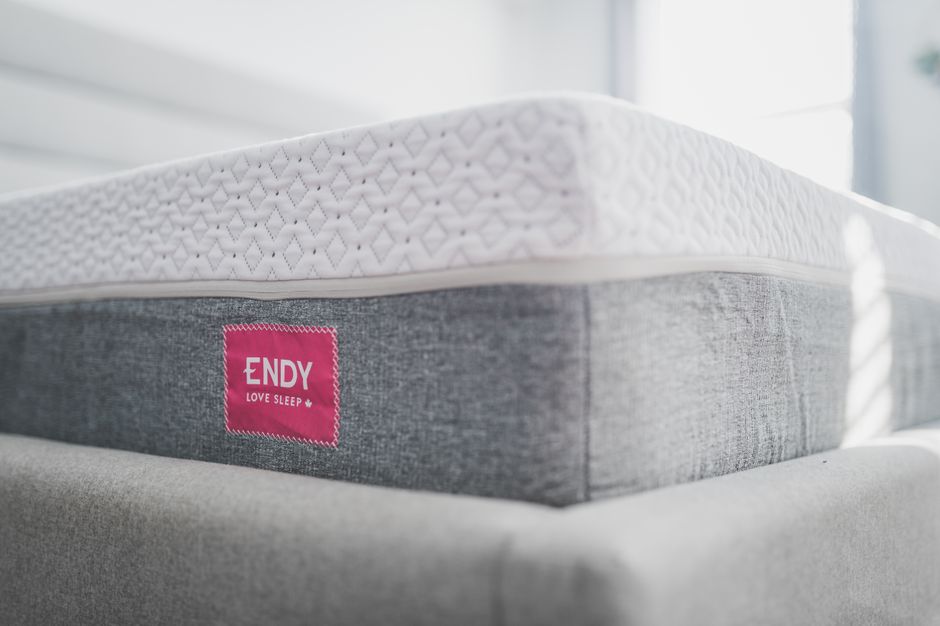
An engineered mattress functions as a piece of recovery equipment, no different in principle from compression gear, hydration protocols, or nutrient timing. It creates the conditions under which the body can do its best repair work. When a company like Performance Sleep Systems designs a mattress, the intent is not merely to sell a comfortable surface. The intent is to provide a tool that contributes to a measurable performance outcome: faster recovery, reduced pain, sharper cognition, and greater physical readiness the next day.
Spinal Alignment as a Performance Foundation
The spine is the body's central structural pillar. When it falls out of neutral alignment during sleep, the consequences cascade. Muscles on one side of the body shorten while those on the opposite side lengthen under tension. Nerves can become impinged. Chronic low back pain, stiff necks, and radiating hip discomfort often trace back to eight hours of poor spinal positioning each night. For an athlete or active individual, this misalignment delays recovery from training and increases injury risk during subsequent workouts.
Engineered sleep systems address alignment through zoned support. Firmer coils or foam under the hips prevent the pelvis from sinking too deep, while softer zones under the shoulders allow the upper body to settle in without forcing the neck and upper spine out of position. This zoning is calibrated for different sleep positions. A side sleeper needs deeper contouring at the shoulder and hip. A back sleeper needs consistent support along the lumbar curve. A stomach sleeper needs a firmer surface to prevent the lower back from arching. The Duo Lift model, for example, is specifically engineered with enhanced lumbar support for those who need additional reinforcement in the lower back, a direct application of performance-focused design to a common physiological need.
Key Engineering Features in a High-Performance Mattress
Understanding the engineering behind a mattress transforms the shopping process from guesswork into informed evaluation. Instead of lying on a showroom floor model for two minutes and making a thousand-dollar decision based on vague impressions, you can assess specific features against your sleep needs. The Engineered Sleep lineup provides a useful case study because each model makes its engineering choices explicit, from material composition to firmness calibration.
The Duo System: A Case Study in Modular Engineering
The patent-pending two-piece Duo design addresses several practical and performance problems simultaneously. The mattress splits into a support core and a comfort layer. The support core contains the coil unit and base foams, providing the structural foundation. The comfort layer sits on top and determines the surface feel: latex for buoyancy, memory foam for deep contouring, or a performance hybrid for a balance of both. This separation means the comfort layer can be swapped if a sleeper's preferences change, or replaced after years of use without discarding the entire mattress.
For couples, the modular design solves a persistent problem. Two people rarely have identical firmness preferences. One may sleep hot and need the cooling properties of latex, while the other may have shoulder pain and require the pressure relief of memory foam. The Duo system allows each side of the mattress to feature a different comfort layer, creating a split-firmness setup without a visible seam down the middle. The engineering benefit extends to logistics. A 13-inch or 15-inch one-piece mattress is unwieldy to move through hallways and up stairs. Two separate pieces are far more manageable during delivery and setup.
Material Science: Latex, Memory Foam, and Hybrid Construction
Each comfort material brings distinct performance characteristics, and the choice between them should reflect sleep style and physiological needs. Natural latex offers a buoyant, responsive surface that pushes back against the body rather than allowing it to sink. It sleeps cool because its open-cell structure permits airflow, and it resists sagging over time due to its inherent elasticity. The Duo Latex model uses this material to serve hot sleepers and those who change positions frequently, providing a surface that responds instantly to movement.
High-density memory foam delivers a different sensation. It softens under body heat and conforms closely to curves, distributing weight across a broader surface area. This "hugging" feel maximizes pressure relief, making it particularly effective for side sleepers whose hips and shoulders bear concentrated weight. The trade-off is that memory foam retains more heat and can feel sluggish when changing positions. The Duo Memory model leans into the material's strengths, using high-density formulations that resist the premature softening that plagues lower-quality memory foam mattresses.
Hybrid construction combines coil support cores with foam or latex comfort layers. The coils provide bounce, edge support, and airflow through the mattress interior. The comfort layer determines the surface feel. This combination suits sleepers who want the responsiveness of a traditional innerspring with the pressure relief of modern materials. The Duo Performance model balances these qualities for sleepers who need both support and contouring.
Flippable and Customizable Firmness Options
The Classic Hybrid line introduces a feature rarely found in the bed-in-a-box market: a flippable design with two distinct firmness levels on opposite sides. The Classic Cushion-Firm side rates at 8 out of 10 on the firmness scale, while the Classic Extra-Firm side rates at 10 out of 10. These are not vague descriptors. They are precise specifications that allow a buyer to understand exactly what they are getting.
This flippable design functions as a built-in adjustment mechanism. A sleeper recovering from an injury might prefer the softer side for pressure relief during the acute phase, then flip to the firmer side as they return to activity. Someone who has always slept on a firm surface might discover over time that a slightly softer feel improves their sleep quality, or vice versa. The mattress adapts without requiring a new purchase. The firmness scale itself represents an engineering approach to comfort, quantifying what most mattress brands leave to subjective interpretation.
How to Choose the Right Engineered Sleep System for You
Translating engineering features into a personal selection requires honest assessment of sleep position, body type, temperature tendencies, and performance demands. The following framework matches specific needs to mattress characteristics, using the Engineered Sleep lineup as a reference point.
For the Athlete or Active Individual
Athletes and highly active individuals place heavy demands on their bodies and need a sleep surface that accelerates recovery rather than merely accommodating it. Temperature regulation becomes critical because elevated metabolic rate and muscle repair generate heat during the night. A mattress that traps that heat disrupts sleep and blunts recovery. The Duo Latex or Duo Performance models prioritize cooling through breathable materials and coil-core airflow.
Zoned support matters for athletic bodies. Muscular hips and shoulders create concentrated pressure points that need targeted relief. The Duo Lift, with its enhanced lumbar zone, supports the lower back during the critical repair hours when spinal discs rehydrate and paraspinal muscles relax. Taller athletes who find standard mattress lengths restrictive should consider the Duo Epic, which offers oversized dimensions including Alaskan King and Wyoming King sizes. A mattress that is too short forces a tall sleeper into a curled position or leaves feet hanging off the edge, both of which compromise spinal alignment.
For the Side Sleeper or Pain-Prone Sleeper
Side sleeping concentrates body weight onto a smaller surface area, increasing pressure on the shoulder and hip. Without adequate contouring, these pressure points restrict blood flow and trigger position shifts that fragment sleep. The Duo Memory model, with its high-density memory foam comfort layer, provides the deep pressure relief that side sleepers need. The material cradles the shoulder and hip while maintaining support under the waist to prevent the spine from bowing.
The flippable Classic Hybrid offers side sleepers a unique advantage. Starting on the Cushion-Firm side provides immediate pressure relief, but if lower back discomfort develops over time, flipping to the Extra-Firm side can restore alignment without buying a new mattress. This flexibility is valuable for pain-prone sleepers whose needs fluctuate. The 100-night trial period removes the risk from testing whether an engineered support system addresses chronic pain. Three months of sleeping on a properly zoned, pressure-relieving surface provides enough data to make an informed decision.
For Couples with Different Needs
Couples present the most complex mattress challenge because two bodies with different weights, sleep positions, and temperature preferences must share a single surface. The Duo system addresses this directly. Each partner can select a different comfort layer for their side of the mattress, combining latex on one side with memory foam on the other, or choosing different firmness levels within the same material category. This modular approach eliminates the compromise that usually defines couple mattress shopping.
Motion isolation becomes a critical engineering consideration when two people share a bed. Coil systems designed with individually wrapped springs reduce the transfer of movement across the mattress surface. When one partner gets up during the night or shifts position, the other remains undisturbed. This feature, combined with the customizable Duo comfort layers, gives Engineered Sleep a distinct advantage over competitors like DLX or Saatva, which offer high-quality construction but lack the same degree of per-side customization and modular longevity.
Frequently Asked Questions About Engineered Sleep Mattresses
Is Engineered Sleep a good mattress brand?
Yes. The company holds a 5.0 rating from customer reviews on Yelp, with specific praise for knowledgeable staff and a no-pressure sales approach. Long-term user reports confirm that the mattresses maintain their support and comfort after three or more years of nightly use. The patent-pending Duo design and flippable Classic Hybrid line offer engineering features that most competitors in the same price range do not provide.
How long do Engineered Sleep mattresses last?
The Duo system is designed with longevity in mind. The support core, built around a durable coil unit and high-density base foams, is engineered to last ten years or more. The replaceable comfort layer extends the overall lifespan of the mattress because the component that typically wears out first, the top layer that absorbs daily compression, can be swapped independently. Users report that their mattresses have held up well after three-plus years, with an initial break-in period that softens the surface slightly before stabilizing.
Where are Engineered Sleep mattresses made?
The company operates out of Greenville, South Carolina, where it maintains a physical showroom at 333 N Pleasantburg Drive. The Harrington Bed, part of the product lineup, is manufactured in North Carolina, reflecting a commitment to regional craftsmanship and domestic production. This local manufacturing focus allows for tighter quality control and a more transparent supply chain than brands that outsource production overseas.
How does Engineered Sleep compare to DLX?
Both brands produce high-quality hybrid mattresses with strong customer satisfaction records. The primary differentiator is Engineered Sleep's Duo system, which provides a modular advantage that DLX does not match. The ability to replace the comfort layer independently, customize each side for couples, and choose from a broader range of materials, including natural latex and high-density memory foam, gives Engineered Sleep an edge in flexibility and long-term value. DLX remains a strong competitor, but Engineered Sleep's model variety and oversized size options address a wider set of sleep needs.
Conclusion: Invest in the Science of Better Sleep
Engineered sleep is not a luxury add-on or a marketing gimmick. It is a functional investment in how you perform, recover, and feel every single day. The surface you sleep on either supports the biological processes that repair your body and sharpen your mind, or it quietly undermines them. A mattress built with intentional material selection, zoned support, thermal regulation, and modular design delivers outcomes that a generic assembled mattress cannot match. The Duo system's replaceable comfort layers, the Classic Hybrid's flippable firmness, and the transparency of local manufacturing all point to a product designed for long-term human performance. Your recovery starts with the surface you sleep on. Make it an engineered one. To explore how a high-performance mattress can improve your sleep, visit the Performance Sleep Systems collection and find the system built for how you rest.