

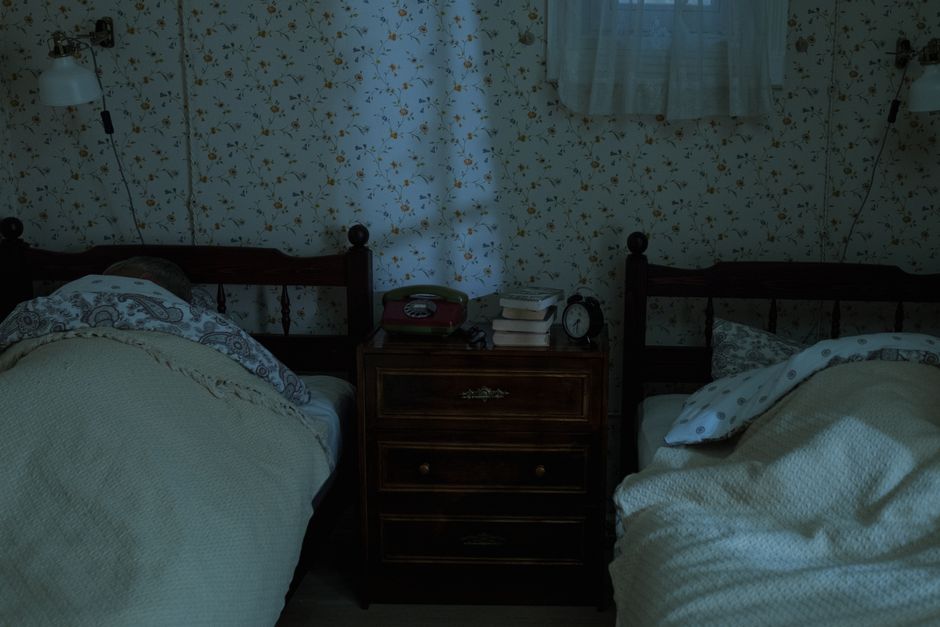
Scandinavian Sleep Method: Better Rest & Performance in 2026
If you share a bed with a partner, you know the nightly battle: one person runs hot, the other runs cold. One person cocoons the blanket into a tight burrito, the other wakes up shivering at 3 a.m. with a single corner of sheet draped over one ankle. The Scandinavian sleep method offers a surprisingly simple fix for this universal couple problem, and it is gaining serious traction in the United States. The concept is straightforward: instead of sharing one large comforter or duvet, each person gets their own separate cover on the same bed. No tugging, no stealing, no compromise. But beyond the coziness factor, this approach has real implications for sleep quality, physical recovery, and daytime performance. This guide covers what the Scandinavian sleep method is, why it works, how to set it up properly, and how Performance Sleep Systems can help you make the switch.
Table of Contents
- What Is the Scandinavian Sleep Method? (Definition & Origins)
- Why the Scandinavian Sleep Method Boosts Performance (The Science of Uninterrupted Sleep)
- How to Set Up the Scandinavian Sleep Method (Practical Guide)
- Scandinavian Sleep Method vs. Other Sleep Strategies (Comparison)
- Real Talk: Pros, Cons, and Long-Term Sustainability
- Frequently Asked Questions (People Also Ask)
- Upgrade Your Sleep Setup with Performance Sleep Systems
What Is the Scandinavian Sleep Method? (Definition & Origins)
The Scandinavian sleep method is a bedding arrangement where two people sleep in the same bed but each uses their own individual duvet or comforter. There is no shared top cover. Instead, two separate duvets sit side by side across the mattress, giving each sleeper full control over their own warmth, weight, and material preference.
This is not a new wellness trend invented by a mattress startup or a sleep influencer. It is a long-standing cultural norm across Sweden, Norway, and Denmark, where separate duvets have been standard in households for generations. In many Scandinavian homes, the idea of two adults fighting over one blanket seems baffling. Why would you share when you can each have exactly what you want?

The method entered mainstream American consciousness in a big way in October 2023, when Swedish influencer Cecilia Blomdahl posted a TikTok video explaining the concept. The clip went viral, racking up millions of views and sparking a wave of curiosity among U.S. couples who had never considered that there was an alternative to the one-comforter default. Since then, the Scandinavian sleep method has been covered by major lifestyle publications, tested by sleep reviewers, and debated in Reddit threads.
It is important to distinguish this method from a full sleep divorce, where partners sleep in separate beds or separate rooms entirely. The Scandinavian approach preserves the shared bed and the intimacy that comes with it. You still wake up next to your partner. You can still reach over and touch them. You simply remove the single biggest source of nighttime conflict: the shared cover.
Traditionally, the method does not include a top sheet. Scandinavians typically use a fitted sheet on the mattress and then place the duvets directly on top, each inside its own washable cover. Some American adopters choose to add a top sheet underneath both duvets or use individual top sheets, but the classic version skips that layer entirely.
Why the Scandinavian Sleep Method Boosts Performance (The Science of Uninterrupted Sleep)
Sleep is not just rest. It is the body's most critical recovery window, the time when muscles repair, memories consolidate, and the brain clears metabolic waste. Anything that fragments your sleep cycle robs you of that recovery. The Scandinavian sleep method addresses two of the biggest disruptors of couple sleep: temperature conflict and movement disturbance.
Temperature Regulation and Core Body Cooling
Your body follows a precise thermal rhythm to initiate and maintain sleep. In the hours leading up to bedtime, your core temperature begins to drop. That drop continues through the early sleep stages, reaching its lowest point in the middle of the night before gradually rising toward morning. If you overheat during that cooling window, you wake up. It is a physiological response, not a comfort preference.
The problem is that two people rarely have the same internal thermostat. One partner may need a heavy down comforter to feel cozy, while the other sweats under anything thicker than a lightweight cotton blanket. When you share one duvet, someone always loses. The cold sleeper piles on extra layers and still feels a draft. The hot sleeper kicks off the covers and still wakes up damp.
With separate duvets, each person selects the fill weight, material, and breathability that matches their body. A hot sleeper can use a lightweight, moisture-wicking duvet with a percale cover. A cold sleeper can bundle up in a heavier down or wool insert. Neither person compromises, and both stay in their optimal thermal zone through the night. Performance Sleep Systems recommends pairing this setup with breathable, moisture-wicking sheets to further support thermal regulation, especially for athletes and active individuals whose bodies generate more metabolic heat during overnight recovery.

Eliminating Partner Disruption (The Blanket Hog Solution)
Even if you and your partner agree on the perfect comforter weight, you still have to deal with the physics of sharing fabric. Every time one person rolls over, pulls the blanket up, or shifts position, the cover moves. Those tugs and drafts cause micro-awakenings: brief interruptions in sleep that you may not consciously remember but that fragment your sleep architecture.
Research on sleep disruption shows that even minor, non-conscious awakenings reduce the amount of time you spend in slow-wave and REM sleep, the two stages most responsible for physical repair, immune function, and cognitive processing. Over time, that accumulated sleep fragmentation shows up as slower reaction times, poorer decision-making, reduced athletic performance, and elevated stress hormones.
Separate duvets eliminate this problem at the source. Your partner can roll, twist, burrito, or kick their duvet all night long, and your cover stays exactly where you left it. You cycle through your sleep stages uninterrupted. The result is more efficient recovery and sharper mental and physical performance the next day.
Personalization Without Compromise
Beyond temperature and movement, the Scandinavian method opens up a level of bedding customization that a shared comforter simply cannot offer. One partner may prefer the airy loft of goose down, while the other needs a hypoallergenic down-alternative fill. One may want the deep pressure of a weighted duvet insert, while the other finds that restrictive. One may love the crisp feel of linen, while the other wants silky-soft sateen.
With two separate duvets, none of these preferences require negotiation. Each person builds their own ideal sleep micro-environment. This matters for performance because comfort is not a luxury: it is a prerequisite for falling asleep quickly and staying asleep deeply. The less time you spend adjusting your bedding, the more time you spend in restorative sleep stages. Performance Sleep Systems offers modular duvet options designed specifically for this use case, allowing couples to mix and match inserts and covers without sacrificing a cohesive bedroom aesthetic.
How to Set Up the Scandinavian Sleep Method (Practical Guide)
Making the switch is straightforward, but a few key decisions determine whether the setup feels luxurious or looks like a dorm room. Here is how to get it right.
Choosing the Right Duvet Sizes for Your Bed
The most common mistake new adopters make is buying duvets that are too small. A duvet that barely covers your body leaves gaps at the edges, and those gaps let in cold air and invite pets to burrow. Here are the recommended pairings:
For a queen bed, two twin or single duvets work well and are widely available. If you prefer more overhang and a fuller look, two double or full duvets provide extra coverage and drape nicely over the sides. For a king bed, two queen-size duvets give each person proportional coverage that mirrors what they would have if sleeping alone. For a California king, the extra length means you may want to seek out extra-long twin duvets or stick with two queen duvets and accept a slightly shorter drop at the foot.
Bed-Making and Aesthetic Tips
The biggest objection to the Scandinavian sleep method is visual: two separate duvets can look messy or unintentional. The fix is simple. Use matching duvet covers and pillow shams to create a cohesive, deliberate look. When both covers share the same color, pattern, or material, the bed reads as one unified design rather than two beds pushed together.
A decorative throw blanket folded across the foot of the bed is another effective trick, one recommended by Apartment Therapy in their styling coverage. The throw visually bridges the gap between the two duvets and adds a finished, layered look. During the day, you can also fold each duvet in half lengthwise and lay them side by side, which creates a neat, hotel-style appearance.
As for the top sheet debate, the traditional Scandinavian approach skips it entirely. Each duvet lives inside its own removable, washable cover, which functions like a built-in top sheet. If you love the feel of a top sheet, you have two options: use one large top sheet underneath both duvets, or give each person their own individual top sheet. The single-sheet approach is simpler but can tangle. The two-sheet approach is more consistent with the method's philosophy of total independence.
Common Mistakes to Avoid
Using undersized duvets is the number one error. Cold shoulders and exposed backs defeat the purpose. Measure your bed and err on the side of more coverage, not less.
Pets are the wildcard variable. Cats and small dogs quickly discover that the gap between two duvets is a warm, inviting tunnel, and they will exploit it. This creates extra laundry, disrupts the duvet positioning, and can wake you up. The Spruce noted this exact issue in their month-long trial of the method. A simple countermeasure is to lay a single throw blanket across the foot of the bed, covering the gap and discouraging burrowing. Training pets to sleep on top of both duvets rather than between them also helps.
Finally, invest in duvet clips or corner ties. Without them, the insert can shift and bunch inside the cover during the night, creating lumps and cold spots. A few dollars spent on corner fasteners saves you from midnight duvet-rearranging sessions.
Scandinavian Sleep Method vs. Other Sleep Strategies (Comparison)
vs. Sleep Divorce (Separate Beds or Rooms)
A sleep divorce sends each partner to a different bed or a different room entirely. It is the nuclear option for couples dealing with severe snoring, incompatible sleep schedules, or extreme restlessness. It works, but it comes with costs: you need a second bed, a second bedroom, and you lose the physical proximity that many couples value.
The Scandinavian sleep method is a lighter intervention. It costs far less, requires no additional furniture or square footage, and keeps both people in the same bed. It solves bedding conflicts specifically. If your only issue is blanket hogging or temperature mismatch, this method is likely sufficient. If your partner's snoring rattles the windows, a sleep divorce may still be the better path.
vs. The 10-3-2-1-0 Sleep Rule
The 10-3-2-1-0 rule is a pre-bedtime behavioral protocol: no caffeine 10 hours before sleep, no food 3 hours before, no work 2 hours before, no screens 1 hour before, and zero snooze button hits in the morning. It is a set of habits that set the stage for good sleep.
The Scandinavian sleep method is a physical bedding solution. These two approaches do not compete; they complement each other. You can follow the 10-3-2-1-0 rule to wind down properly and still wake up at 2 a.m. because your partner stole the blanket. Combining both strategies, behavioral and environmental, produces the best results.
vs. Other Cultural Methods (German, Dutch, Viking)
Searches for the German sleep method and the Dutch sleep method often lead to the same basic concept: separate blankets or duvets for each person. These are regional variations on the same theme, and the Scandinavian version is simply the most widely documented and discussed in English-language media. The Viking sleeping method is a looser historical reference with no standardized modern practice. The Scandinavian sleep method is the closest living tradition, and it is the version most accessible to U.S. couples looking for a practical, proven system.
Real Talk: Pros, Cons, and Long-Term Sustainability
The Pros (Why Couples Love It)
The benefits are immediate and tangible. Blanket-related arguments disappear. Each person controls their own temperature and material preferences. The setup requires no new furniture and costs a fraction of what a second bed would. Most couples who try it report that they sleep more soundly and wake up less often during the night. The method preserves the shared bed and all the intimacy that comes with it while removing the single biggest source of nighttime friction.
The Cons (What the Critics Say)
The method is not without drawbacks. The Spruce published a notably critical month-long trial that highlighted several real issues. Cuddling becomes more logistically challenging when each person is wrapped in their own separate cocoon. You can still touch and hold each other, but spontaneous full-body contact requires one person to leave their duvet and enter the other's space. Bed-making takes more time because you are arranging two duvets instead of one. On smaller beds, like a full or a queen, two duvets can create visual clutter, especially if the covers are mismatched or oversized.
Long-Term Sustainability Tips
Give the method a full 30 days before deciding. The first week often feels awkward as you adjust to the new arrangement. By week three, most people have adapted and can evaluate the sleep quality improvements objectively.
Invest in high-quality duvet covers with zipper or button closures. Cheap covers that pop open in the night create laundry headaches and frustration. Performance Sleep Systems recommends establishing a cuddle window ritual: start the night under one duvet together for connection and intimacy, then separate into your own covers when you are ready to sleep. This small habit preserves the physical closeness that critics worry about losing while still delivering the uninterrupted sleep that the method promises.
Frequently Asked Questions (People Also Ask)
What is the 10 3 2 1 0 rule for sleep? It is a pre-bedtime behavioral protocol: cut caffeine 10 hours before sleep, stop eating 3 hours before, end work 2 hours before, put away screens 1 hour before, and hit zero snooze button presses in the morning. It pairs well with the Scandinavian sleep method as part of a comprehensive sleep optimization strategy.
What is the German method of sleeping? The German method is very similar to the Scandinavian approach: each person uses their own separate blanket or duvet on the same bed. The Scandinavian version has simply received more attention in U.S. media and is more widely adopted as a named practice.
What is the Viking sleeping method? This is mostly a historical curiosity with no standardized modern application. The Scandinavian sleep method is the closest contemporary equivalent, rooted in the same Nordic cultural traditions that emphasize individual bedding.
Does the Scandinavian sleep method work for pets? It can, but pets often see the gap between two duvets as an invitation to burrow. Use a throw blanket across the foot of the bed to block access, or train your pet to sleep on top of both duvets rather than tunneling between them.
Upgrade Your Sleep Setup with Performance Sleep Systems
Performance Sleep Systems designs bedding for people who take their recovery seriously. Our duvet inserts and covers are available in the exact sizes needed for a proper Scandinavian sleep method setup, including twin, double, and queen options that pair correctly with queen and king beds. Every material we use is engineered for temperature regulation and long-term durability, so hot sleepers stay cool, cold sleepers stay warm, and both partners wake up ready to perform.
Browse our full selection of duvets, covers, and sheet sets at Performance Sleep Systems and find the right combination for your sleep style. Ready to stop fighting over the covers and start waking up recovered? Build your Scandinavian sleep method starter kit today.