
Go to Sleep Meme: The Viral Lullaby That Actually Works
If you have spent more than five minutes on YouTube Shorts or TikTok in 2026, you have almost certainly encountered the "go to sleep meme." A repetitive, oddly hypnotic voice chanting "go to sleep, go to sleep" over a simple melody, the audio has racked up millions of views and spawned countless remixes, GIFs, and green screen adaptations. What started as a niche soundbite has ballooned into a full-fledged internet phenomenon, one that users claim genuinely soothes crying infants and exhausted adults alike. But the "go to sleep meme" is more than a fleeting viral clip. It sits at a strange intersection of meme culture, sleep science, and grassroots content creation, and no one has yet written the full story behind it. This article fills that gap, tracing the audio from its creator to its cross-platform dominance and exploring why a 30-second loop might actually help you drift off.
Table of Contents
- What Is the "Go to Sleep" Meme? (Defining the Viral Audio)
- The Origin Story: Who Created the "Go to Sleep" Audio?
- Why Does the "Go to Sleep" Meme Go Viral?
- The "Go to Sleep" Meme as a Lullaby: Does It Actually Work?
- How the Meme Evolved Across Platforms (YouTube to GIFs)
- The "Matpat Effect" and Niche Subculture Angles
- How to Use the "Go to Sleep" Meme (For Fun and for Sleep)
- Frequently Asked Questions About the "Go to Sleep" Meme
- The Future of the "Go to Sleep" Meme in 2026
- Conclusion: More Than Just a Meme
What Is the "Go to Sleep" Meme? (Defining the Viral Audio)
At its core, the "go to sleep meme" is a short audio clip built around a soft, melodic phrase repeated in a gentle cadence. The words "go to sleep, go to sleep" form the backbone, often layered over a simple instrumental or hummed tune that mimics the rhythm of a traditional lullaby. Most viral versions clock in between 30 and 40 seconds, a length perfectly engineered for short-form platforms where loops drive view counts and algorithmic reach.
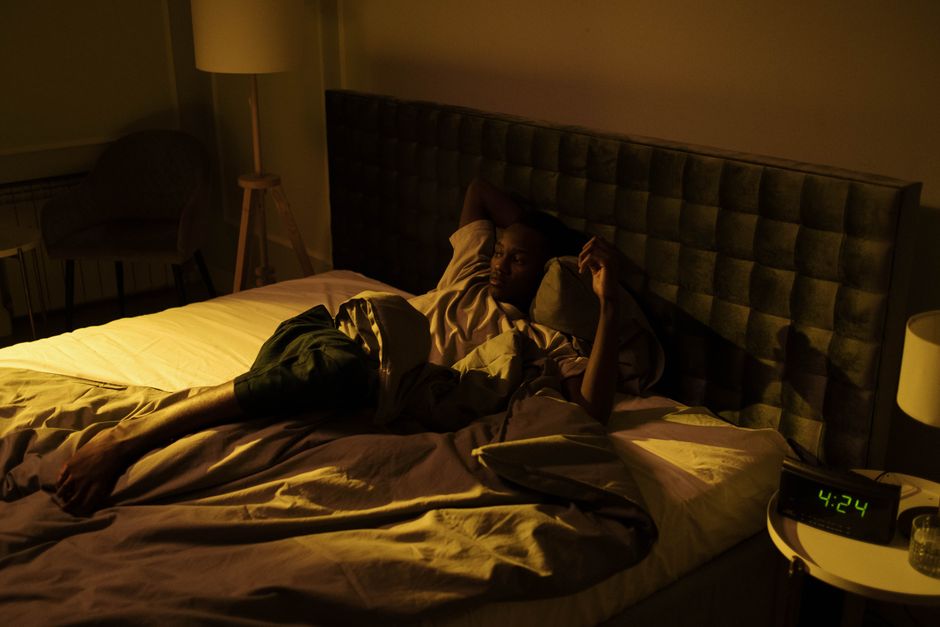
Visually, the meme is remarkably flexible. The audio frequently appears over green screen backgrounds, allowing creators to insert any imagery they want: a crying baby, a pet refusing to settle, an animated character from Flipaclip, or a relatable adult staring at the ceiling at 2 a.m. This visual adaptability is part of why the format spread so quickly. There is no single canonical video. Instead, the audio functions as a template anyone can remix.
The primary distribution channels include YouTube Shorts, where the format dominates search results, along with TikTok, Instagram Reels, and GIF libraries like Tenor and GIPHY. On Tenor and GIPHY, users can find dozens of sticker and GIF variations featuring everything from Markiplier to Monster's Inc. characters to anime references, all synced to the same hypnotic refrain.
There is also a darker variant worth noting. Some GIFs and short clips swap the soothing tone for a threatening one: "go to sleep or I will put you to sleep." This version plays on the meme's inherent repetition but twists it into something more menacing, a contrast that has fueled its own sub-niche of sharing. For parents and anyone seeking actual relaxation, the original lullaby version remains the safer and far more popular choice.
The Origin Story: Who Created the "Go to Sleep" Audio?
Tracking the exact birth of a meme is rarely straightforward, but the "go to sleep" audio has a clearer paper trail than most. The original sound is widely attributed to creator Andy Arthur Smith, a name that surfaced prominently in Reddit discussions about the meme's origins. Smith's audio samples, according to community posts, are also used in what fans call the "Matpat Effect," a niche soundboard format tied to YouTuber MatPat and his Game Theory universe.
The Matpat Effect connection places the "go to sleep" audio within a specific subculture. For years, fans of MatPat have compiled and remixed audio clips associated with his content, and Smith's sounds became a staple in that ecosystem. The "go to sleep" snippet likely circulated within those circles before breaking out into the broader TikTok and YouTube Shorts landscape.

The most-viewed full version of the meme, uploaded by user Layzzz on August 2, 2025, has surpassed 2 million views and accumulated over 52,000 likes. That upload runs 31 seconds and includes on-screen lyrics, making it the de facto reference point for anyone searching for the complete audio. But the sound itself predates that upload. Fragments appeared on TikTok and Instagram Reels earlier in 2025, often without attribution, as is common with viral audio that gets ripped and re-uploaded across accounts.
What distinguishes this meme from many others is the absence of a single breakout post or celebrity co-sign. There was no tweet that launched a thousand remixes, no A-list influencer who kicked off the trend. Instead, the audio spread organically, passed from one creator to another, each adding a new visual layer. That grassroots trajectory makes the origin harder to pin down but also explains the meme's staying power: it belongs to no one and everyone at once.
Why Does the "Go to Sleep" Meme Go Viral?
Several factors converged to push this audio into millions of feeds. First and most obvious is the repetition and rhythm. The phrase "go to sleep" loops with a steady, predictable beat that mirrors the cadence of a heartbeat or a parent's shushing. That kind of rhythmic consistency is biologically calming, a fact well-documented in sleep research, and it makes the audio inherently replayable. Listeners do not tire of it quickly because the brain processes it as a soothing pattern rather than an annoying earworm.
Second, the meme has genuine cross-demographic appeal. Titles and captions frequently claim the lullaby "also works on adults," and the comment sections under popular uploads are filled with half-joking testimonials from people who say they felt drowsy mid-scroll. In a cultural moment defined by burnout, anxiety, and sleep deprivation, a meme that promises even a flicker of relaxation finds a massive and receptive audience.
Third, remix culture supercharged the spread. The availability of green screen templates and Flipaclip animations meant that creators did not need advanced editing skills to participate. They could download the audio, slap it over their own visuals, and publish within minutes. That low barrier to entry invited a flood of user-generated content, each new version extending the meme's lifespan and algorithmic footprint.
Finally, the 30-to-40-second duration is purpose-built for short-form platforms. YouTube Shorts and TikTok reward videos that hold viewer attention through to the end, and a tight, looping format practically guarantees high completion rates. When a video finishes and immediately replays, watch time accumulates fast, signaling to algorithms that the content deserves broader distribution.
The "Go to Sleep" Meme as a Lullaby: Does It Actually Work?
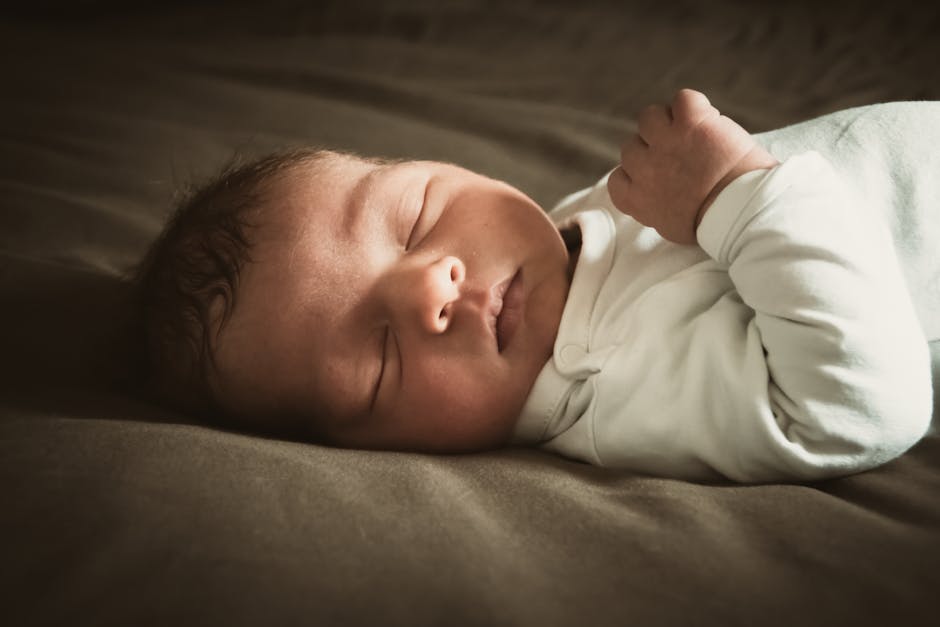
Multiple search results frame the "go to sleep meme" as a practical tool for soothing infants, and the anecdotal evidence is surprisingly consistent. Parents report playing the audio on loop to calm crying babies, with some claiming it works faster than dedicated white noise machines or lullaby playlists. The repetitive vocal tone, soft and unthreatening, mimics the sing-song quality caregivers naturally adopt when comforting a child.
For adults, the effect is more psychological but no less real. The meme's popularity among grown viewers suggests a placebo or Pavlovian response: the brain associates the sound with the concept of sleep, and that association alone can trigger a relaxation response. When someone hears "go to sleep" repeated in a gentle, melodic tone, the command bypasses the analytical mind and speaks directly to a deeper, more suggestible layer of consciousness.
From a sleep science perspective, the audio's tempo likely falls within the 60 to 80 beats per minute range, which researchers identify as optimal for inducing a relaxed state and gradually slowing heart rate. Music and sound at this tempo can shift the autonomic nervous system toward parasympathetic dominance, the "rest and digest" mode that precedes sleep. While no formal study has tested this specific meme, the underlying principles align with established research on auditory sleep aids.
For parents, the meme offers something genuinely useful: a free, instantly accessible sleep aid that requires no app download, no subscription, and no bulky hardware. A YouTube search on a phone is all it takes. That practicality, combined with the meme's entertainment value, explains why it has stuck around long after most viral sounds fade.
Performance Sleep Systems has long emphasized that optimizing the sleep environment matters, and while a mattress forms the foundation, the sounds that fill a bedroom play a supporting role. A calming audio loop, whether it is white noise, pink noise, or a viral lullaby, can help signal to the brain that it is time to wind down.
How the Meme Evolved Across Platforms (YouTube to GIFs)
The "go to sleep meme" did not stay confined to one platform. It migrated, mutated, and accumulated new meanings at each stop, a case study in how modern memes evolve.
YouTube Shorts served as the primary engine of views. The Layzzz upload alone crossed 2 million views, and countless other Shorts used the audio as a backing track for original skits and animations. The platform's recommendation algorithm fed these videos to users who had watched even a few seconds of similar content, creating a self-reinforcing loop of exposure.
TikTok and Instagram Reels broadened the meme's demographic reach. On these platforms, the audio became a popular sound overlay for pet videos, particularly clips of dogs and cats resisting bedtime, as well as "relatable adult" skits about insomnia and late-night scrolling. The humor was self-deprecating and universal, which made the sound sticky across age groups.
Tenor and GIPHY transformed the meme into a communication tool. Users searching for a reaction GIF to send in messaging apps could choose from dozens of "go to sleep" variants. The collections include Markiplier clips, Monster's Inc. references, anime scenes, and original animations, all synced to the same audio snippet. This shift from passive viewing to active sharing embedded the meme deeper into daily digital life.
Green screen and animation formats enabled the final layer of evolution. Creators on YouTube and TikTok could download a green screen version of the meme and insert their own visuals while preserving the viral audio. Flipaclip animators, meanwhile, built original cartoon narratives around the sound, often depicting characters being gently (or not so gently) coaxed toward sleep. These remixable formats ensured that the meme never grew stale; each new visual context refreshed the audio for a different audience.
No written analysis has mapped this cross-platform journey until now. The existing search results are entirely social media posts and GIF aggregations, leaving a significant content gap for anyone who wants to understand how and why the meme spread.
The "Matpat Effect" and Niche Subculture Angles
The "Matpat Effect" is not a widely known term outside certain corners of YouTube fandom, but it is central to understanding where the "go to sleep" audio originated. The phrase refers to a fan-made soundboard or meme format that uses audio clips associated with Matthew Patrick, better known as MatPat, the creator behind Game Theory, Film Theory, and other analytical YouTube channels.
Andy Arthur Smith's audio samples, including the "go to sleep" sound, became integrated into this ecosystem. Fans would combine Smith's clips with MatPat's voice or imagery, creating layered remixes that circulated within the Game Theory community. From there, the audio leaked outward, shedding its subcultural context as it reached broader audiences who had no idea who MatPat was.
This origin story matters because it explains the meme's peculiar texture. The audio feels both random and oddly familiar, a quality that makes sense once you understand it was forged in the hyper-referential world of fandom remix culture. The "go to sleep" meme did not emerge from a marketing team or a professional musician. It bubbled up from a community of fans who delight in recontextualizing sounds, and that grassroots energy still clings to it.
For SEO purposes, this section addresses a query no other result covers. Someone searching for the connection between the "go to sleep meme" and MatPat will find this article as the sole written resource, a high-value, low-competition angle that serves a specific and curious audience.
How to Use the "Go to Sleep" Meme (For Fun and for Sleep)
The meme's dual identity as entertainment and sleep aid means different users will engage with it in different ways. Here is how to make the most of it, depending on your goal.
For pure entertainment, share the GIF version on social media or in group chats. Tenor and GIPHY make it easy to search and send the sticker that best matches your mood, whether you are joking about needing a nap or teasing a friend who stayed up too late. On TikTok or Instagram, use the audio in a duet or create your own skit around the theme of resisting bedtime.
For sleep, the approach is more practical. Pull up the full version on YouTube, set the video to loop, and place your phone face-down on a nightstand to minimize light. The audio works best at a low to moderate volume, just loud enough to hear the repetitive cadence without it becoming a distraction. Parents can use the same method for infants, though it is wise to test the volume and proximity first to ensure it soothes rather than startles.
For creators, the green screen template is the easiest entry point. Download the version available on YouTube or TikTok, import it into your editing app of choice, and layer your own visuals underneath. The viral audio remains intact while the imagery becomes uniquely yours, a formula that has launched countless remixes and could give your content a discoverability boost.
For parents looking to integrate the meme into a broader sleep routine, pair it with proven sleep hygiene practices. A consistent bedtime, a dark and cool room, and a wind-down period free of stimulating screens all amplify the effectiveness of any auditory sleep aid. The meme can serve as a cue that signals to a child's brain that sleep is imminent, but it works best as part of a larger, consistent ritual.
A word of caution: the threatening variant of the meme, with its "or I will put you to sleep" punchline, is not appropriate for children. Stick to the original lullaby version for any sleep-related use, and save the darker GIFs for adult-only group chats where the humor lands as intended.
Frequently Asked Questions About the "Go to Sleep" Meme
Who made the "go to sleep" meme?
The original audio is attributed to creator Andy Arthur Smith, whose sounds also appear in the "Matpat Effect" fan community. The most popular full version, featuring on-screen lyrics, was uploaded by YouTube user Layzzz on August 2, 2025, and has since surpassed 2 million views.
Does the "go to sleep" meme actually help you sleep?
Anecdotally, yes. Many users report that the repetitive, low-tempo audio soothes both babies and adults. The rhythm mimics the cadence of a lullaby or a calming heartbeat, which can trigger a relaxation response. While no formal study has tested this specific meme, the underlying principles align with established sleep science.
Where can I find the "go to sleep" meme?
The meme is widely available across YouTube (both Shorts and the full 31-second version), TikTok, Instagram Reels, Tenor, and GIPHY. GIF and sticker collections on Tenor and GIPHY offer the most variety, including fandom-specific variants.
Is there a threatening version of the meme?
Yes. A darker variant exists with the phrase "go to sleep or I will put you to sleep." This version circulates primarily as a GIF and contrasts sharply with the soothing original. It is intended for humor among adults and is not suitable for children.
What is the "Matpat Effect"?
The "Matpat Effect" is a fan-made soundboard and meme format that uses audio clips associated with YouTuber MatPat of Game Theory fame. Andy Arthur Smith's audio samples, including the "go to sleep" sound, are frequently used within this niche community, which is where the meme likely originated before spreading to mainstream platforms.
The Future of the "Go to Sleep" Meme in 2026
Memes typically have short shelf lives, but the "go to sleep" audio has characteristics that suggest unusual longevity. Its practical utility as a lullaby gives it a reason to exist beyond the punchline, and parents who discover it today will likely keep using it for months or years.
Platform migration will continue. As new short-form video apps emerge and existing ones add features, expect the audio to surface in fresh contexts. Bluesky's video capabilities, for instance, or whatever TikTok competitor gains traction next, will almost certainly host new remixes. The audio's brevity and loopability make it platform-agnostic.
Brand partnerships represent an untapped frontier. Sleep product companies, including Performance Sleep Systems, could reference or license the audio in marketing that bridges internet culture and genuine sleep solutions. A mattress brand that understands why a 30-second lullaby goes viral is a brand that speaks its customers' language.
Remix evolution will keep the audio from growing stale. Instrumental versions, sped-up nightcore edits, and slowed-down ambient cuts are already circulating in smaller communities, and these variants allow the meme to fit different moods and use cases. The core DNA remains recognizable even as the production shifts.
Finally, the written content gap around this meme will close. As more users search for context, origin stories, and explanations, articles like this one will become the primary reference points. The "go to sleep meme" is no longer just a sound; it is a documented cultural artifact with a traceable history and a measurable impact.
Conclusion: More Than Just a Meme
The "go to sleep meme" occupies a rare space in internet culture. It is simultaneously a joke, a creative template, and a functional sleep aid that parents and adults actually use. That triple identity explains why it has outlasted the typical viral audio cycle and why millions of people continue to seek it out across platforms.
This article is the first written deep dive into the meme's origins, its connection to Andy Arthur Smith and the Matpat Effect, and its cross-platform evolution from YouTube Shorts to GIF libraries. For anyone who has heard the audio and wondered where it came from, the answers are now in one place.
Try the audio for yourself. Whether you queue it up for a laugh, send it in a group chat, or play it on loop to coax your brain toward rest, you are participating in a phenomenon that is equal parts absurd and oddly profound. In an internet defined by noise, sometimes the simplest sounds resonate the loudest.