
Alexander Come Back to Sleep: The Viral TikTok Trend Explained
If your For You Page has suddenly been flooded with women in tricorn hats and colonial coats whispering "Alexander, come back to sleep," you are not alone. The "Alexander come back to sleep" trend has taken over TikTok, YouTube Shorts, and Instagram Reels in 2026, turning a 47-second Broadway ballad into one of the most recognizable audio clips on the internet. What started as a niche reference for musical theater fans has exploded into a full-blown cultural moment, complete with elaborate costumes, gender-bending performances, and a stamp of approval from Lin-Manuel Miranda himself. This article breaks down exactly what the trend is, why it works so well, and how you can join the thousands of creators who have already picked up a tricorn hat and hit record.
Table of Contents
- What Is the "Alexander Come Back to Sleep" Trend?
- Why This Specific Song? The "Best of Wives" Factor
- The Viral Explosion: How the Trend Took Over in 2026
- Why Does This Trend Work? A Cultural Analysis
- How to Do the "Alexander Come Back to Sleep" Trend
- The Lyric Reference: "Best of Wives and Best of Women"
- Frequently Asked Questions About the Trend
- The Verdict: A Trend That Honors the Source Material
What Is the "Alexander Come Back to Sleep" Trend?
The trend draws its audio from "Best of Wives and Best of Women," a brief but emotionally devastating song that closes Act 2 of Hamilton. In the original musical, this 47-second exchange is the final conversation between Alexander Hamilton and his wife Eliza before he leaves for his fatal duel with Aaron Burr at Weehawken. The scene is quiet, tender, and loaded with dramatic irony: the audience knows Hamilton will not return, but Eliza does not.
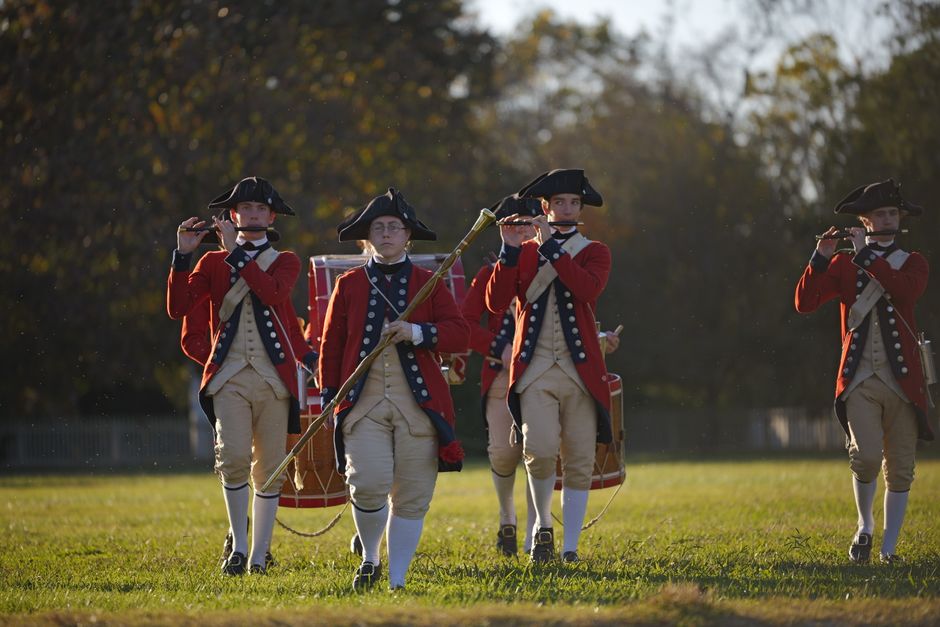
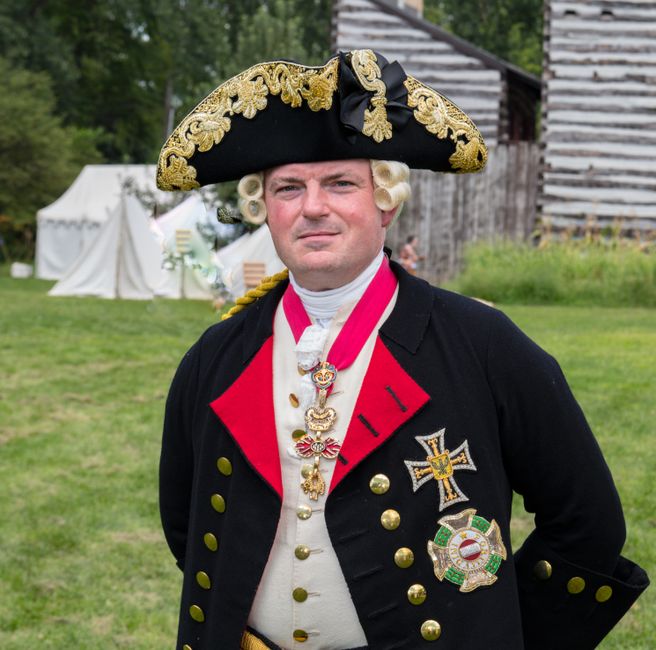
The viral trend takes this heartbreaking source material and flips it completely on its head. Creators, predominantly women, dress in full Alexander Hamilton regalia: the iconic blue coat, a white ruffled shirt, and the signature tricorn hat. But here is the twist. They do not lip-sync to Hamilton's lines. Instead, they mouth Eliza's words while dressed as the founding father himself. The result is a jarring, hilarious mismatch between the visual of a stoic revolutionary war figure and the audio of a concerned wife gently nagging her husband to stay in bed.
The performance typically follows a simple structure. The creator stares dramatically into the camera with Hamilton's characteristic intensity, then softens their expression as Eliza's voice comes through. The line "Alexander, come back to sleep" lands not as a tragic farewell but as a relatable, almost comedic domestic plea. The trend strips away the historical weight of the moment and replaces it with something universally recognizable: a partner who refuses to stop working and just get some rest.
Why This Specific Song? The "Best of Wives" Factor
Several elements make "Best of Wives and Best of Women" uniquely suited for viral adaptation. First, its length is perfect for short-form content. At under 50 seconds, the entire song fits comfortably within TikTok and YouTube Shorts time limits, and the clip loops naturally for viewers who want to watch it multiple times. There is no need to edit down a longer track or find a specific segment; the whole piece works as a self-contained audio bite.

Second, the lyrical content translates effortlessly into a modern context. Eliza's lines, "You're on your own. Excellent. Alexander, come back to sleep," carry a tone of affectionate exasperation that feels less like an 1804 farewell and more like a 2026 conversation between any couple navigating work-life balance. The "nagging wife" dynamic, while rooted in a dated trope, is immediately legible to audiences who have never seen Hamilton. You do not need to know who Aaron Burr is to understand the joke of a partner trying to convince someone to stay in bed.
Finally, the costume requirement is the secret ingredient that drives the trend's engagement. Unlike dance challenges that anyone can attempt in their living room, this trend asks for a specific, recognizable visual element. The tricorn hat and blue coat are iconic enough that even a makeshift version signals the reference clearly. This effort barrier creates a tier of content that rewards creativity and commitment. Viewers are more likely to share, comment on, and duet with a video where someone went to the trouble of assembling a colonial outfit, whether it is a historically accurate reproduction or a paper hat folded five minutes before filming.
The Viral Explosion: How the Trend Took Over in 2026
The "Alexander come back to sleep" trend did not emerge from nowhere. It had an initial wave of popularity, but 2026 marks a definitive resurgence driven by platform algorithms and a crucial celebrity endorsement. A look at the current search landscape shows the trend's dominance across multiple platforms: four TikTok results, two YouTube Shorts, and one Instagram Reel occupy the top ten organic positions for the query. This is not a single-platform phenomenon. It is a cross-platform movement thriving wherever short-form video lives.
TikTok remains the epicenter, largely because its duet and stitch features make it easy for creators to build on each other's work. One person posts a costume video, another stitches it with their own version, and within days a cascade of content fills the feed. YouTube Shorts and Instagram Reels follow closely, with creators reposting or adapting their TikToks for each audience. The trend's platform-agnostic nature means it reaches users who may only use one app, widening its cultural footprint.
The algorithmic push behind the trend has not gone unnoticed by its audience. A Reddit thread discussing the phenomenon captured the sentiment perfectly, with users asking some version of "Is it my algorithm or is Hamilton all over the place again?" The thread, which received 104 upvotes and 32 comments, reflects a mix of amusement and bewilderment at how aggressively the content is being served. For some, it is a welcome return to Hamilton fandom. For others, it is a confusing but entertaining interruption to their usual feed.
The single biggest accelerant, however, came from the man who wrote the song. In early 2026, Lin-Manuel Miranda addressed the trend in an interview with Entertainment Tonight, calling it "hilarious." That two-word endorsement from the creator of Hamilton legitimized the trend in a way no amount of user-generated content could. When the original artist not only acknowledges but celebrates a meme built on their work, it signals to both fans and casual viewers that this is something worth paying attention to. Miranda's reaction became a news story in its own right, pushing the trend beyond social media and into entertainment journalism.
Why Does This Trend Work? A Cultural Analysis
The current search results for "Alexander come back to sleep" are dominated by video content and basic explanations, but none of them dig into why this specific trend resonates so deeply. Understanding that requires looking at the cultural mechanics underneath the costumes and lip-syncing.
The gender role reversal is the most immediate source of humor. Women adopting the visual signifiers of a hyper-masculine historical figure, a founding father, a soldier, a statesman, and then delivering lines associated with domestic, wifely concern creates a comedic friction that lands immediately. It is a playful, accessible form of gender commentary that does not preach or explain itself. The joke works whether you read it as a critique of historical gender roles or simply as an absurd visual gag. The woman in the tricorn hat is both Alexander Hamilton and Eliza Schuyler at the same time, and that contradiction is inherently funny.
Beneath the costume and the historical reference, the trend taps into something far more universal: the relatable marriage trope. The core joke is that one partner wants the other to stop working and come to bed. This is not a Hamilton joke; it is a relationship joke that happens to wear a Hamilton costume. The emotional weight of the original scene, where Hamilton is literally walking to his death, is completely stripped away. What remains is a moment that could happen in any bedroom in America, which makes the trend accessible to people who have never heard the soundtrack and never will. You do not need to know the context to laugh at the dynamic.
There is also a "high effort, high reward" dynamic at play. Social media algorithms favor content that holds viewer attention, and a costume reveal or a well-executed lip-sync with props naturally commands more watch time than a simple talking-head video. The effort required to assemble even a basic Hamilton costume signals to the algorithm and to viewers that this content is worth engaging with. Creators who invest in a decent coat and hat are rewarded with higher visibility, which in turn incentivizes more creators to make the same investment. The trend becomes self-perpetuating: effort drives engagement, engagement drives visibility, and visibility drives more effort.
Comparing to Other Hamilton Viral Moments
The "Alexander come back to sleep" trend is not the first time Hamilton has gone viral, but it is distinct from every previous wave. Early Hamilton trends centered on performance. The "My Shot" covers that flooded YouTube in the late 2010s were showcases of rapping ability and vocal talent. They celebrated the musical's technical difficulty and the skill of its performers. The "Helpless" wedding edits that followed were sentimental and romantic, using the song as a soundtrack for real-life love stories and wedding videos.
This trend is fundamentally different. It is not about performing the music well. It is about acting, costuming, and subverting the original context of the scene. The humor is ironic, not earnest. Where past trends asked creators to demonstrate their talent, this one asks them to demonstrate their commitment to a bit. It is the first major Hamilton viral moment built entirely on the gap between what you see and what you hear, and that gap is what makes it so compulsively watchable.
How to Do the "Alexander Come Back to Sleep" Trend
If you want to participate, the barrier to entry is lower than it looks, though the costume is what separates a good video from a great one. Here is a step-by-step guide to making your own version.
Step one: get the audio. Search for "Best of Wives and Best of Women" in the TikTok or YouTube Shorts sound library. Make sure you are using the specific clip that includes Eliza's lines. The full song is only 47 seconds, and you will want the section where she says "Alexander, come back to sleep." Most trending versions use just the first two lines of the exchange.
Step two: assemble the costume. This is the secret sauce. You need three elements to sell the look. A blue coat, which can be a formal blazer, a colonial-style coat from a costume shop, or even a navy suit jacket in a pinch. A white ruffled shirt, or at minimum a white collared shirt with the top button done up. And a tricorn hat, which you can buy online, borrow from a theater friend, or fold out of paper following one of the many tutorials now circulating on TikTok. The more historically accurate your costume, the better the video will perform, but a clearly recognizable DIY effort works almost as well.
Step three: nail the lip-sync. Remember, you are lip-syncing to Eliza's part, not Alexander's. This is the most common mistake new participants make. Hamilton's lines in the song are brief responses: "I have to go" and a few words before that. You are not mouthing those. You are mouthing Eliza's plea. The humor depends entirely on this mismatch.
Step four: master the performance. Start the video with a serious, dramatic expression. You are Alexander Hamilton, after all. Hold that intensity for a beat, then shift to a softer, slightly exasperated look as Eliza's voice comes through. The contrast between the stoic founding father face and the gentle domestic audio is the whole joke. Commit to both halves of the performance.
Step five: post and tag. Use the hashtags #AlexanderComeBackToSleep and #HamiltonTrend. Tag @Lin_Manuel if you are feeling optimistic. He has already reacted to the trend once, and creators are hoping for a second round of attention.
The Lyric Reference: "Best of Wives and Best of Women"
For those who want the exact words before they start filming, here is the relevant section of the song. "Best of Wives and Best of Women" is the final track before the duel sequence, and it runs just 47 seconds in the original cast recording. The full exchange includes both characters, but the trend focuses almost exclusively on Eliza's lines.
Eliza sings: "Alexander, come back to sleep." Hamilton responds: "I have to go." Eliza then delivers the line that often serves as a punchline or end card in the trend videos: "You're on your own. Excellent." In the original context, this is a callback to an earlier moment in the musical and carries deep emotional weight. In the trend, it is delivered with a shrug or a knowing look that completely transforms its meaning. Most participants use only the first two lines, letting the "come back to sleep" plea carry the video.
Frequently Asked Questions About the Trend
Is the "Alexander come back to sleep" trend new? It had an initial viral moment, but 2026 brought a major resurgence driven by algorithm pushes across TikTok and YouTube Shorts, combined with Lin-Manuel Miranda's public reaction. For many users, this is their first exposure to the trend, even if earlier versions existed.
Do I need to have seen Hamilton to understand the trend? No. The humor is visual and contextual. A wife telling her husband to stay in bed is a scenario that needs no Broadway knowledge. That said, knowing the tragic context of the original scene adds a layer of dramatic irony that makes the trend even funnier for fans of the musical.
Why are women dressing as Alexander Hamilton? The trend is built on lip-syncing to Eliza's lines while wearing Alexander's costume. The gender role reversal, a woman dressed as a male historical figure delivering a wife's dialogue, is the core comedic mechanism. It is a visual joke that lands regardless of your familiarity with the source material.
Did Lin-Manuel Miranda actually react to this trend? Yes. In early 2026, Miranda described the trend as "hilarious" in an interview with Entertainment Tonight. His endorsement helped fuel the trend's spread and gave it a level of cultural legitimacy that user-generated content alone rarely achieves.
The Verdict: A Trend That Honors the Source Material
The "Alexander come back to sleep" trend is a rare example of a viral moment that manages to respect its source material while completely subverting it for comedy. It does not mock Hamilton; it plays with it. The trend requires effort, has a clear and repeatable punchline, and carries the endorsement of the musical's creator. Those three factors explain why it has outlasted the typical TikTok trend lifecycle and returned with even more force in 2026.
Whether you are a die-hard Hamilton fan who knows every word of the soundtrack or someone who just enjoys watching people in colonial costumes deliver domestic one-liners, this trend proves something remarkable. A 47-second song from a Broadway musical that premiered over a decade ago can still dominate the internet. All it takes is a tricorn hat, a blue coat, and a willingness to tell Alexander to come back to sleep.