

Pure Grind Fitness & Performance: Why Sleep Fuels Your Gains
You show up before the sun. You push through the burn when your mind screams quit. You embrace the discomfort because someone told you that growth lives on the other side of pain. That is the heartbeat of pure grind fitness & performance: a relentless commitment to attacking the mental and unlocking physical potential. But here is the uncomfortable question most athletes in that grind refuse to ask. What if the hardest and most productive thing you could do for your performance is not another rep, not another mile, not another 5 AM alarm, but simply going to bed?
Table of Contents
- What Is Pure Grind Fitness & Performance?
- The "Grind" Mentality vs. The Recovery Reality
- How Poor Sleep Sabotages Your "Pure Grind" Results
- 5 Sleep Strategies for the "Train Hard Grind Harder" Athlete
- The Connection Between Sleep and the "Mental Toughness" Tagline
- Frequently Asked Questions About Sleep & Performance
- Conclusion: Grind Hard, Sleep Harder
The fitness industry has spent decades glorifying the grind while quietly ignoring the science of recovery. We celebrate the athlete who trains on four hours of sleep as if exhaustion were a credential. We mistake fatigue for effectiveness. In 2026, the research is undeniable. Sleep is not a passive pause in your training. It is the most anabolic, performance-enhancing, mentally fortifying event in your entire program. Without it, the grind is just grinding yourself into the ground.
What Is Pure Grind Fitness & Performance?
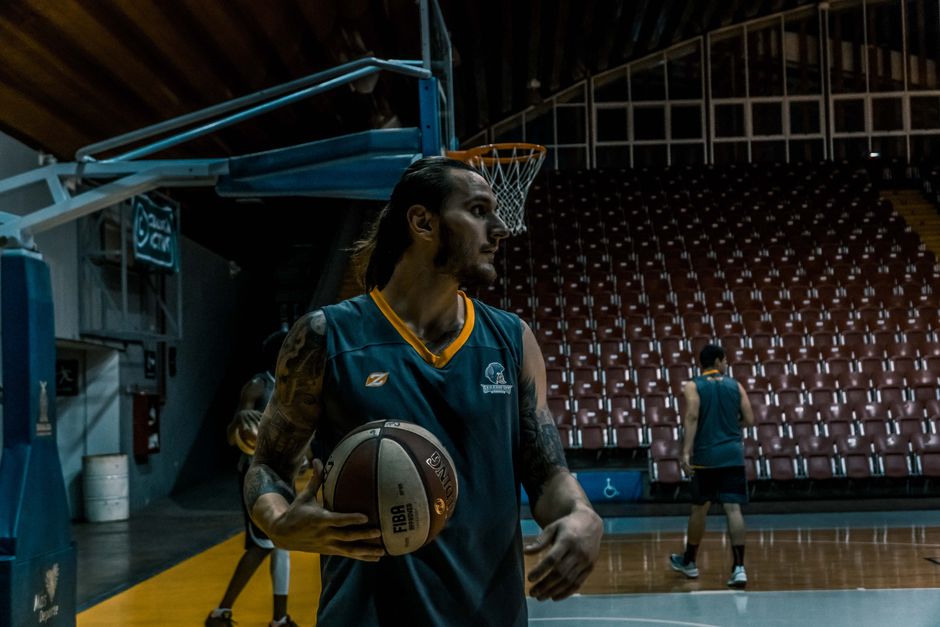
Pure Grind Fitness & Performance sits at 3925 Perimeter West Drive in Charlotte, North Carolina, just minutes from CLT-Douglas Airport. The gym has carved out a distinct identity in a crowded fitness market by centering its philosophy on mental resilience. Their tagline, "Attacking the mental to unlock your FULL potential," tells you everything you need to know. This is not a place obsessed with mirror muscles or superficial aesthetics. It is a training environment built around personal training, HIIT, strength training, circuit training, and group fitness, all delivered with an intensity that demands you confront your own limits.

The brand ethos, "Train Hard Grind Harder," resonates with a specific kind of athlete: the early riser, the lunch-break warrior, the person who views physical discomfort as a problem to be solved through sheer will. The gym opens at 5:00 AM Monday through Thursday, and that early schedule attracts a clientele that already understands sacrifice. But there is a hidden risk baked into that culture. When the entire identity revolves around pushing harder, recovery can start to look like weakness. And that misunderstanding is precisely what holds so many dedicated athletes back.
The "Grind" Mentality vs. The Recovery Reality
Grind culture has a sleep problem. It has convinced a generation of high performers that sleep deprivation is a badge of honor, a sign that you want it more than the next person. You see it in the humblebrag social media posts: "Up at 4 AM, crushed a workout, now onto the grind." The implication is clear. Sleeping is for the unmotivated. The reality, however, is written in decades of physiology research and the bloodwork of overtrained athletes.
Muscle repair does not happen when you are under the barbell. During resistance training and high-intensity intervals, you create micro-tears in muscle fibers and deplete glycogen stores. The actual rebuilding, the process that makes you stronger and faster, occurs almost exclusively during deep sleep. Human growth hormone, perhaps the most critical anabolic hormone for tissue repair and fat metabolism, is secreted in its largest pulses during slow-wave sleep. Testosterone production, essential for both men and women in building strength, follows a similar sleep-dependent rhythm. When you shortchange your sleep, you are literally turning off the hormonal machinery that the grind is supposed to activate.

There is a cruel paradox at work. The athlete who trains at a facility like Pure Grind Fitness & Performance with high intensity but sleeps only five or six hours will consistently underperform compared to a peer doing the exact same workouts on seven to eight hours of sleep. The sleep-deprived athlete will have higher baseline cortisol, slower recovery between sets, diminished power output, and a greater susceptibility to soft tissue injuries. They are working just as hard, possibly harder, and getting less for it. The grind mentality, stripped of its recovery counterpart, becomes a recipe for diminishing returns.
Why High-Intensity Training Demands High-Quality Sleep
HIIT and heavy strength training place extraordinary demands on the central nervous system. Unlike steady-state cardio, which is primarily metabolically taxing, explosive movements and near-maximal lifts require the CNS to fire motor units with precision and speed. That system fatigues. And unlike your muscles, which can recover with nutrition and passive rest, your CNS has exactly one reliable reset button: sleep.
When you are sleep-deprived, reaction time degrades. Power output drops measurably, often by double-digit percentages in the research. Your perception of effort increases, meaning the same weight feels heavier, the same interval feels harder. For someone attempting a complex Olympic lift or a max-effort sprint, that neurological dulling is not just a performance issue. It is a safety issue. Form breaks down under fatigue, and a tired lifter under a heavy bar is a preventable injury waiting to happen. Glycogen replenishment and muscle protein synthesis also peak during specific sleep stages, meaning the fuel tank refills and the engine rebuilds most efficiently while you are unconscious.
How Poor Sleep Sabotages Your "Pure Grind" Results
The damage from sleep deprivation is not subtle. It attacks your results from multiple angles simultaneously, and most of them are invisible until the consequences show up in the mirror, on the scale, or in a sharp pain that should not be there.
The hormonal cascade is the first domino. Restricted sleep drives cortisol up and growth hormone down. Cortisol is catabolic. It breaks tissue down. It encourages the body to store fat, particularly visceral fat around the midsection. Growth hormone and testosterone are anabolic. They build tissue up. When you flip that ratio in the wrong direction through chronic sleep loss, you create a body that holds onto fat and struggles to add lean muscle, regardless of how hard you train.
Then there is the mental cost. Pure Grind Fitness & Performance explicitly builds its identity around "attacking the mental." That is a compelling framework, but it is also a fragile one. Sleep deprivation directly impairs the prefrontal cortex, the region of the brain responsible for focus, decision-making, and impulse control. A sleep-deprived athlete walking into a complex circuit training session is operating with a neurological handicap. They will struggle to maintain proper technique through fatigue. They will make poor decisions about loading and exercise selection. The mental edge the gym promises to sharpen gets dulled by the very lifestyle habits that grind culture often celebrates.
Injury risk is the final and most consequential piece. A 2021 study in the Journal of Orthopaedic and Sports Physical Therapy found that athletes sleeping fewer than seven hours per night were at significantly higher risk of musculoskeletal injury. The mechanism is straightforward. Fatigue degrades proprioception, the body's sense of where it is in space. It slows reaction time. It reduces the passive stiffness of tendons and ligaments. When you combine heavy loads, high speeds, and a compromised neuromuscular system, you are not training. You are gambling.
5 Sleep Strategies for the "Train Hard Grind Harder" Athlete
Fixing sleep is not complicated, but it does require the same discipline you bring to your training. The athlete who can grind through a brutal finisher can absolutely grind through building a sleep routine. Here are five strategies that translate the gym's ethos into recovery.
- Align Your Sleep Window with Your Training Time
Pure Grind Fitness opens its doors at 5:00 AM, and for many members, that is when the day's work begins. If you are training at that hour, your sleep schedule must be non-negotiable. To get seven to eight hours of sleep, you need to be asleep by 9:00 PM or 9:30 PM at the latest. That means winding down by 8:30 PM. This is not a suggestion. It is the math. Every late night you justify is stealing directly from the quality of tomorrow's session. Treat your bedtime with the same seriousness you treat your training time. You would not skip a workout. Do not skip the sleep that makes the workout worth doing.
- Build a Cool-Down Routine for Your Brain
You would never finish a heavy leg day and immediately walk out of the gym without some form of cool-down or stretching. Your nervous system needs a transition from high arousal to baseline. Sleep requires the same transition, but most athletes ignore it. For 30 minutes before your target bedtime, eliminate screens. The blue light from phones and laptops suppresses melatonin production and tricks your brain into thinking it is midday. Dim the lights in your home. Read a physical book. Do some slow, nasal breathing. Take a hot shower, which triggers a cooling response in the body that facilitates sleep onset. This is your mental cool-down, and it is as essential as the physical one.
- Prioritize Sleep Over a Second Session
The temptation to double up on training is strong, especially when progress feels slow. But if you are running a sleep deficit, a second workout is counterproductive. A 30-minute nap, ideally taken in the early afternoon and kept under 90 minutes to avoid grogginess, will do more for your strength and body composition than a low-quality evening session performed in a state of exhaustion. The nap restores alertness, improves motor learning consolidation from your morning session, and reduces cortisol. The junk workout just digs a deeper recovery hole.
- Track Your Heart Rate Variability
HRV has become one of the most reliable metrics for assessing nervous system readiness. A wearable device that tracks HRV upon waking gives you a daily snapshot of whether your body has recovered from the previous day's training and stress. A low HRV score suggests your parasympathetic nervous system, the "rest and digest" branch, is not adequately engaged. On those mornings, the smartest "grind" decision might be to scale back intensity, extend your warm-up, or swap a heavy session for mobility work. Listening to that data is not soft. It is intelligent programming.
- Optimize the Sleep Environment
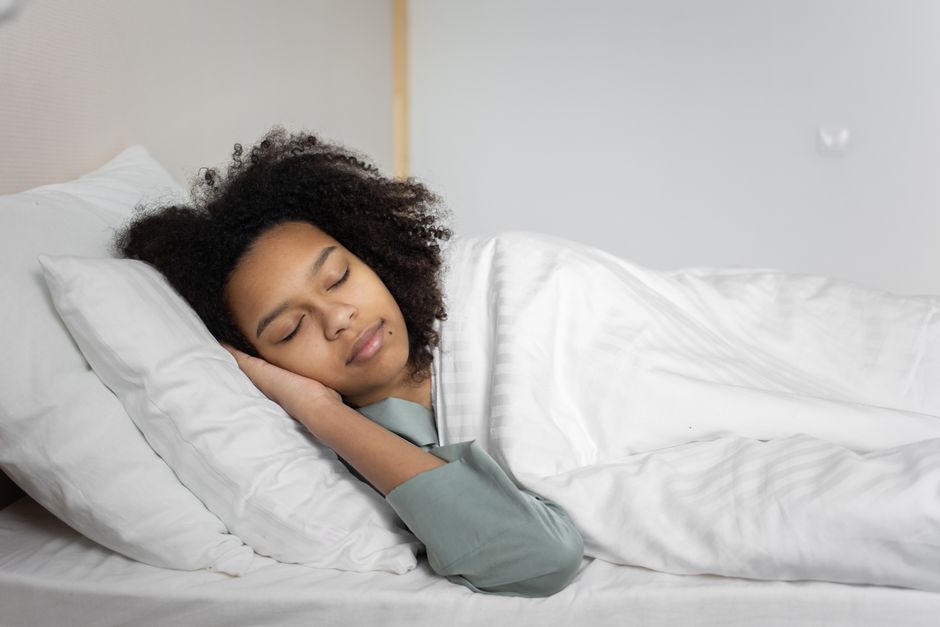
Your bedroom is a recovery tool, and it should be treated as intentionally as your gym setup. The room needs to be dark. Blackout curtains or a sleep mask eliminate the light pollution that fragments sleep cycles even if you do not fully wake. The temperature should sit between 65 and 68 degrees Fahrenheit, the range that supports the body's natural drop in core temperature during sleep. And the surface you sleep on matters enormously. A supportive mattress that maintains spinal alignment and minimizes pressure points directly impacts how deeply you cycle through the restorative sleep stages. This is where the investment in a quality sleep system pays performance dividends that no supplement can match.
The Connection Between Sleep and the "Mental Toughness" Tagline
Pure Grind Fitness & Performance has built its reputation on a psychological promise: attack the mental, unlock the potential. That framing is powerful because it acknowledges that physical limits are often negotiated by the mind before the body ever truly fails. But mental toughness is not a fixed trait you either have or lack. It is a physiological capacity, and it runs on sleep.
Sleep deprivation produces symptoms that are clinically indistinguishable from heightened anxiety and low-grade depression. Irritability spikes. Emotional regulation collapses. The will to embrace discomfort, the very thing that defines the grind, evaporates. A well-rested athlete walks into the gym with a fundamentally different neurochemical profile: higher dopamine signaling, better pain tolerance, and a prefrontal cortex fully capable of overriding the impulse to quit. True mental toughness is not ignoring your body's need for rest. It is having the discipline to honor that need so that when you do step onto the training floor, you are dangerous.
Frequently Asked Questions About Sleep & Performance
Is it okay to work out on four hours of sleep?
No. Training on severe sleep debt increases injury risk, impairs motor control, and elevates cortisol to levels that are counterproductive to your goals. If you have had a rough night, take a rest day or perform light mobility work. The gym will be there tomorrow, and you will get more out of it.
How many hours of sleep do strength athletes need?
Seven to nine hours is the baseline recommendation for most adults, but athletes engaged in heavy resistance training and HIIT often benefit from the upper end of that range. Elite athletes in many disciplines routinely target nine to ten hours, especially during high-volume training blocks.
Can I make up for lost sleep on the weekend?
You can partially repay sleep debt, but it is not a perfect system. Hormonal rhythms thrive on consistency. Sleeping five hours during the week and ten on the weekend disrupts your circadian clock and does not fully restore the anabolic hormone profiles lost during deprivation. Aim for consistent bed and wake times.
Does napping count toward my total sleep?
Yes, naps contribute to your overall sleep need, but they are supplemental, not a replacement for a consolidated nighttime sleep block. A 20- to 90-minute nap can improve alertness and motor learning, but the deep, restorative slow-wave sleep that drives physical recovery is most reliably achieved during a full night's rest.
Conclusion: Grind Hard, Sleep Harder
The pure grind fitness & performance philosophy is not wrong. It is incomplete. Pushing past mental barriers, embracing hard work, and showing up consistently are all essential ingredients for transformation. But they are only half the equation. The other half happens in the dark, in the quiet, while you are doing absolutely nothing that looks productive from the outside.
You do not get stronger in the gym. The gym is where you send the signal. You get stronger while you sleep, when your body finally has the resources and the hormonal environment to answer that signal with new tissue, denser bone, and a sharper nervous system. Whether you are training at Pure Grind Fitness & Performance in Charlotte or grinding solo in a garage gym, the principle holds. Make your bed a performance tool. Take your sleep as seriously as your sets. Grind hard, but sleep harder. That is where the real potential unlocks.