


The Importance of Sleep Before an Exam: Why Rest Beats Cramming
You are staring at a textbook at 2 AM, eyes burning, heart racing, and a cold dread settling in your stomach. The exam is in six hours. You still have three chapters to review. The impulse to push through, chug another coffee, and sacrifice sleep for one more pass at the material is almost overwhelming. It feels productive. It feels responsible. But the science is unequivocal: it is the single worst strategic decision you can make. Understanding the importance of sleep before an exam is often the difference between walking into the room sharp and ready, and walking in with a brain operating at a significant cognitive deficit. This is not about wellness culture or vague self-care advice. This is about performance optimization. Sleep is the final, non-negotiable phase of your study protocol, and skipping it is like a marathon runner refusing to carbo-load the night before a race.
Table of Contents
- The Science of Sleep and Academic Performance
- Cramming vs. Sleeping: What the Data Actually Says
- How Much Sleep Do You Actually Need Before a Test?
- The Hidden Risks of Sleep Deprivation During Exam Season
- A Practical Sleep Strategy for Exam Week (2026 Edition)
- Frequently Asked Questions About Sleep and Exams
- Conclusion: Sleep Is Your Secret Weapon
The Science of Sleep and Academic Performance
Sleep is not a passive state where the brain simply powers down. It is an active biological process during which some of the most critical learning operations take place. When you study, new information is initially held in the hippocampus, a region of the brain that acts as a temporary storage buffer. The hippocampus has limited capacity. If you keep cramming without sleeping, you are essentially trying to fill a cup that is already full, spilling out earlier information to make room for new facts.
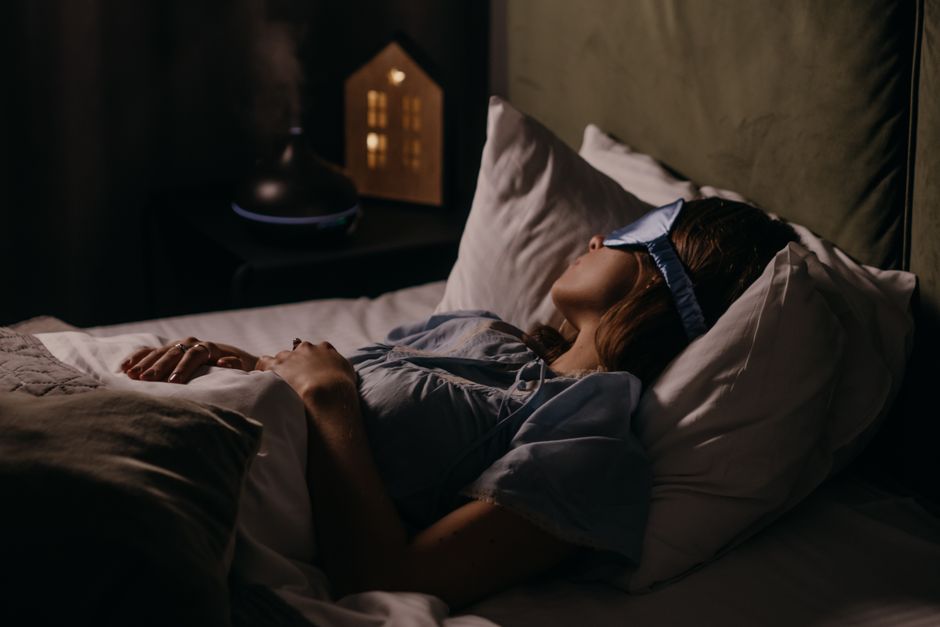
The transfer of data from the hippocampus to the neocortex, the brain's long-term storage, happens predominantly during deep, slow-wave sleep (NREM) and REM cycles. During NREM sleep, the brain replays the day's learning, strengthening neural pathways and integrating new knowledge with existing frameworks. REM sleep then appears to link these newly formed memories together, finding patterns and creative connections that are impossible to make while awake. This is why you can study a complex concept, struggle with it, and then wake up the next morning with a clear understanding. The brain finished the work for you while you were unconscious.
Beyond memory, sleep restores the prefrontal cortex, the brain's CEO, responsible for attention, logical reasoning, and impulse control. A sleep-deprived brain shows markedly reduced activity in this region. The result is a functional drop in cognitive performance that mirrors intoxication. You will read questions more slowly, miss key details, and struggle to retrieve the very information you sacrificed sleep to memorize. The stress hormone cortisol further complicates the picture. Sleep deprivation sends cortisol levels spiking, which directly impairs the hippocampus's ability to recall stored memories. You are essentially locking the library door and throwing away the key right before the test. A 2021 study published in PMC found that students regularly slept less than seven hours per night, and the night before a test, sleep duration was reduced by 1.7 to 3.6 hours compared to regular nights. Over 10% of students did not sleep at all before an exam. The same study confirmed a positive relationship between sleep duration the night before a test and test performance. The students who slept more scored higher.
Cramming vs. Sleeping: What the Data Actually Says
The internal debate between staying up to review and going to bed is framed as a trade-off between two productive activities. The data reframes it as a choice between a marginal gain and a catastrophic loss.
The Myth of the All-Nighter

Staying up for an extra three hours to review material you have not yet mastered might feel like a net gain of three hours of study. In reality, you are trading three hours of memory consolidation, cognitive restoration, and cortisol regulation for three hours of low-efficiency encoding. After 10 PM, most people's ability to absorb new information plummets. The brain is in a state of diminishing returns, and the material you review at 3 AM is rarely accessible during the 9 AM exam. The net cognitive loss in recall speed, accuracy, and logical reasoning almost always outweighs the marginal benefit of that extra review. You are not gaining knowledge; you are borrowing it at an interest rate your exhausted brain cannot afford.
A critical nuance, however, comes from research out of McGill University. A study of 88 students found that sleep quality and duration over the full month before a midterm predicted up to 25% of the variation in academic performance. Sleep from just the night before the exam showed no correlation with test scores. This is not a license to pull an all-nighter. It is a psychological relief valve. If you have been sleeping well for weeks and have one restless night before the test, the evidence suggests you will not tank. The long-term sleep bank you built is your safety net. The real danger is the student who chronically sleeps five hours a night for a month and then pulls an all-nighter. That student is walking into the exam with a deep, cumulative cognitive debt.
The 9-8-7 Rule and Structured Frameworks
Students often search for simple, memorable frameworks to manage exam prep chaos. The 9-8-7 rule has gained traction as a balanced daily structure: 9 hours of sleep, 8 hours of study, and 7 hours of revision. The numbers are not magic, and they may not fit every schedule. The value of the framework is that it forces recovery into the equation as a non-negotiable block, equal in importance to active study. It prevents the common trap of treating sleep as the flexible variable that gets squeezed when time runs short. Treat this as a weekly average rather than a rigid daily target. Some days you will study more, some less. But if your average over the week skews toward sacrificing sleep, your retention and performance will degrade accordingly.
How Much Sleep Do You Actually Need Before a Test?
The answer is both straightforward and deeply individual. The standard recommendation for young adults is 7 to 9 hours per night. But the quality and timing of that sleep matter as much as the quantity.
The 7–9 Hour Standard
Consistency is the most underrated performance enhancer. Sleeping nine hours the night before an exam will not undo a month of four-hour nights. The McGill research introduced a useful concept: content-relevant sleep. This is sleep that occurs after learning specific material. To maximize this, you should structure your study schedule so that key review blocks are followed by sleep. If you have a biology exam on Friday, your Wednesday and Thursday study sessions are the ones that will benefit most from Wednesday and Thursday night's sleep. The sleep you get on those nights is actively consolidating biology content. Friday night's sleep, while still important for general cognitive function, is not processing the same targeted material. Plan your hardest study days earlier in the week, and let the subsequent nights of sleep do the heavy lifting of memory storage.
What If You Can't Sleep? (Emergency Scenarios)
Anxiety is a powerful sleep disruptor. Lying in bed at midnight, mentally reviewing formulas while worrying about not sleeping, is a miserable and common experience. The 3-2-1 rule offers a simple wind-down protocol: three hours before bed, no food or alcohol; two hours before bed, no work or study; one hour before bed, no screens. This creates a buffer zone that allows your brain to downshift from high-alert study mode to rest mode.
One of the most urgent questions students ask is whether three hours of sleep is better than none. The answer is an emphatic yes. Three hours of sleep is significantly better than zero. Even a truncated sleep period allows the brain to complete at least one full sleep cycle, providing some memory consolidation and a critical drop in cortisol levels. Zero sleep leaves the brain in a state of acute cognitive deficit, with impaired reaction time, poor emotional regulation, and severely compromised recall. If you are down to a three-hour window, take it. Do not convince yourself that staying up is the better play. It is not.
Napping is a strategic tool that deserves more attention. A 20-minute power nap taken before 3 PM can restore alertness without causing sleep inertia, that groggy, disoriented feeling that comes from waking out of deep sleep. If you have more time and have just completed a heavy study session, a 90-minute nap allows for a full sleep cycle, including REM, and can actively aid memory consolidation. Avoid naps longer than 20 minutes but shorter than 90 minutes in the hours immediately before an exam, as waking mid-cycle can leave you feeling worse than before.
The Hidden Risks of Sleep Deprivation During Exam Season
The risks of sleep deprivation extend far beyond feeling tired. They strike at the core functions you need most during a high-stakes test. Recall under pressure is uniquely vulnerable. Sleep-deprived individuals can often retrieve information in a calm, low-stakes environment but fail to do so under the time pressure and stress of an exam. The brain's retrieval pathways are fragile without adequate rest, and the added cortisol of test anxiety can cause a complete retrieval failure. You know you know the answer, but you cannot access it.
The amygdala, the brain's fear center, becomes hyperactive without sleep. This amplifies test anxiety to debilitating levels. Students are more likely to freeze, misread questions, or make careless errors that have nothing to do with knowledge and everything to do with a panicked, exhausted brain. Physical symptoms compound the problem. Headaches, blurred vision, and a weakened immune system are common consequences of sleep debt. Getting sick the week of finals is a predictable outcome of chronic sleep deprivation, not a random misfortune.
A gap in most sleep advice is the role of caffeine and stimulants. Energy drinks and coffee are often used to mask fatigue, but they disrupt sleep architecture even when consumed hours before bed. The sleep you get after a day of high caffeine intake is shallower, with less time in the restorative deep stages. The fatigue is masked, but the cognitive deficit remains. Study drugs like Adderall or Ritalin, taken without a prescription, create an even more dangerous illusion. They may allow you to stay awake and focused, but they do not replace the memory consolidation functions of sleep. You can be wide awake for the exam and still unable to recall what you studied because the transfer to long-term memory never occurred.
A Practical Sleep Strategy for Exam Week (2026 Edition)
Optimizing sleep for academic performance is a long game with specific, actionable steps for the month before, the night before, and the morning of the exam.
The Month Before: Build Your Sleep Bank
Go to bed and wake up at the same time every day, including weekends. This eliminates "social jet lag," the circadian disruption caused by inconsistent sleep schedules that leaves students feeling perpetually groggy on Monday mornings. Identify your chronotype. If you are a night owl, schedule your most demanding study blocks for the evening when your alertness peaks. If you are a morning lark, front-load your work and protect your early bedtime. Fighting your biology is inefficient and exhausting.
Your sleep environment is a performance variable you can control. A cool, dark, and quiet room is the baseline. The surface you sleep on matters more than most students realize. A supportive mattress and breathable bedding are not luxury purchases; they are tools for ensuring the deep, uninterrupted sleep that drives memory consolidation. Performance Sleep Systems offers a range of mattresses and sleep accessories engineered specifically for this purpose, designed to help you achieve the kind of restorative rest that directly supports cognitive performance. Upgrading your sleep setup is an investment in your academic output.
The Night Before the Exam
Stop studying by 9 PM. Give your brain a minimum of one to two hours of wind-down time before you intend to sleep. Use the 3-3-3 rule: three hours before bed, no food or alcohol; two hours before, no work; one hour before, no screens. This is a slightly adapted version of the popular rule that creates a clear, actionable boundary between study mode and sleep mode. Prepare your space for the morning. Lay out your clothes, pack your bag, and set two alarms. Reducing the number of decisions you have to make in the morning lowers ambient anxiety, which directly improves sleep quality. If you wake up at 3 AM with your heart pounding, do not look at your phone. The blue light and the temptation to check last-minute notes will spike your cortisol and make it nearly impossible to fall back asleep. Practice 4-7-8 breathing: inhale for four seconds, hold for seven, exhale for eight. If you cannot settle after 15 minutes, get up briefly, drink a small glass of water, and return to bed.
The Morning of the Exam
Eat a protein-rich breakfast. Eggs, Greek yogurt, or oatmeal with nuts will provide steady energy without the crash that follows a sugary cereal or pastry. Within 30 minutes of waking, get sunlight in your eyes. This is a powerful signal to your circadian system that the day has begun, helping to clear out residual sleep hormones and sharpen alertness. Resist the urge to cram. A quick glance at a one-page summary of key formulas is fine. Trying to learn new material in the final hour is not only futile but actively harmful. It raises anxiety and clutters your working memory with fragmented, unconsolidated information. Trust the sleep you got. The work is done. The consolidation has happened. Your job now is to execute.
Frequently Asked Questions About Sleep and Exams
Is it good to sleep right before an exam?
A short nap of 20 minutes can restore alertness without causing grogginess. Avoid longer naps that end less than 30 minutes before the exam, as sleep inertia can temporarily impair performance.
What is the 9 8 7 rule for studying?
It is a structured daily framework: 9 hours of sleep, 8 hours of study, and 7 hours of revision. It prioritizes recovery as a core component of exam preparation.
What is the 3 3 3 rule for sleep?
A wind-down protocol: 3 hours before bed, no food or alcohol; 2 hours before, no work; 1 hour before, no screens. It creates a buffer between daytime activity and sleep.
Is 3 hours of sleep better than none before an exam?
Yes. Three hours allows for at least one full sleep cycle, providing memory consolidation and cortisol reduction. Zero sleep results in severe cognitive impairment with no recovery.
Conclusion: Sleep Is Your Secret Weapon
The importance of sleep before an exam is not a story about the night before the test. It is a story about the weeks and months of consistent, quality rest that build a brain capable of learning efficiently, storing information durably, and retrieving it under pressure. Cramming is a gamble with poor odds. Sleep is a guaranteed performance enhancer, a biological necessity that sharpens every cognitive tool you will need when the exam begins. For students serious about optimizing their rest and, by extension, their academic performance, Performance Sleep Systems offers solutions designed for deep, restorative sleep. Visit performancesleepsystems.com to explore mattresses, pillows, and sleep accessories engineered for peak cognitive performance. Don't just study for the test. Sleep for it.